Measurable ROI on a headquarters: which KPIs actually matter.
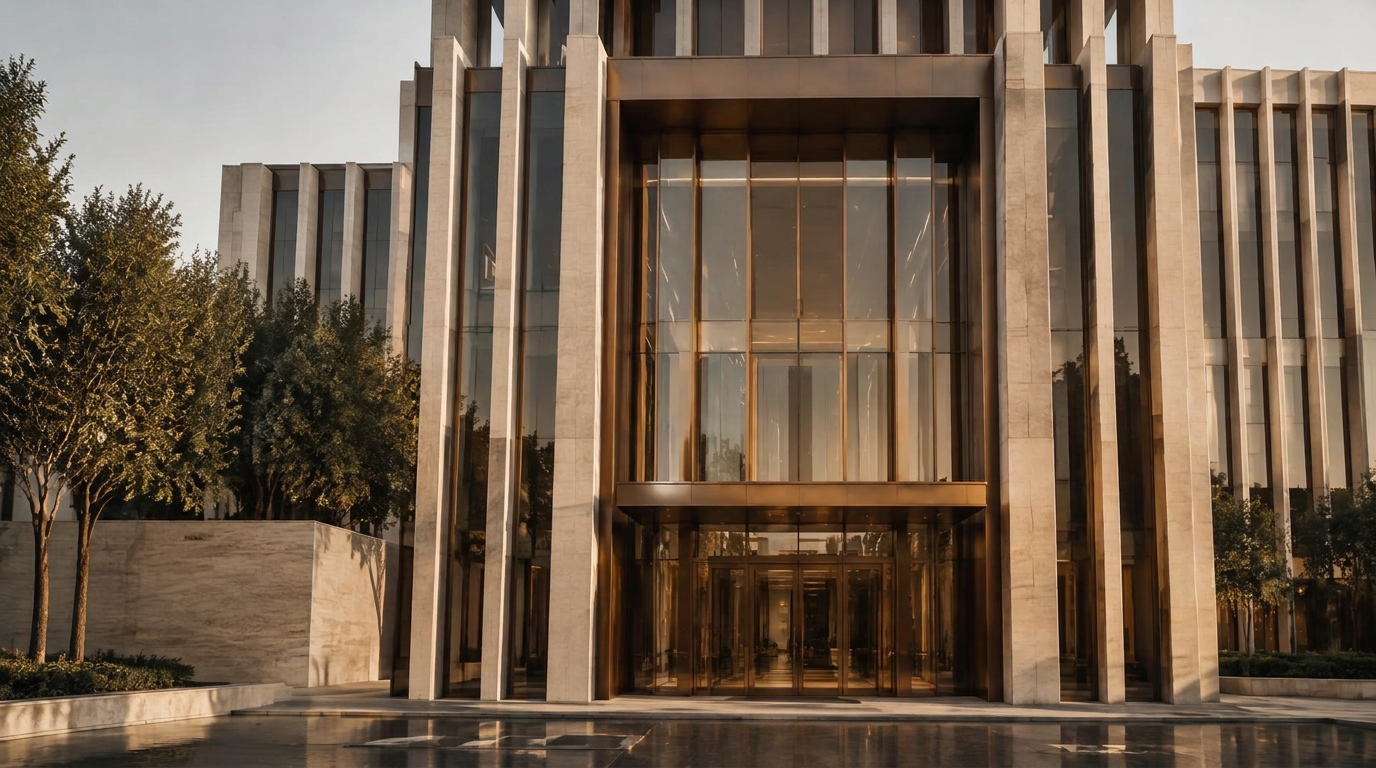
Boards are right to want ROI on a multi-million workplace investment, and wrong to accept that it can't be measured. ROI here is not a single number, it's a small set of KPIs, fixed before the project starts, tracked the same way before and after. This article describes which KPIs actually move, how to baseline them, and how to read the result.
Why ROI gets dismissed too quickly
Workplace ROI gets a reputation for being soft because it's usually measured after the fact with metrics nobody baselined. A satisfaction survey six months in is not a return, it's an anecdote. Returns require a pre-state and a post-state on the same metric, defined before the investment is approved.
The four KPI families that actually move
For a headquarters investment, four KPI families consistently show measurable movement:
- Talent, voluntary attrition rate, time-to-hire, offer acceptance rate, recruitment cost per FTE.
- Utilisation, occupancy per zone, peak vs average, meeting room demand vs supply, no-show rates.
- Productivity proxies, collaboration density, deep-work time, cross-team interactions (only where measurable without surveillance).
- Brand and pipeline, client visits, win rate on pitches involving HQ visits, employer-brand reach.
Baselining: the step that's almost always skipped
Most projects measure outcomes without baselining inputs. That makes any post-measurement uninterpretable. A serious baseline captures the same KPIs six to twelve months before move-in, with the same methodology used post-occupancy. Without it, every result is contested.
Baselining is also the cheapest part of the project, typically a few weeks of structured data work, and the highest-leverage one for the eventual ROI conversation.
Reading the numbers honestly
ROI on a headquarters rarely shows up as a clean payback period. It shows up as a shifted curve: attrition that's 1.5 points lower over three years, time-to-hire that drops by a week, occupancy that aligns with cost. Summed over a ten-year horizon those shifts dwarf the construction budget, but the board needs to be prepared to read multi-year curves, not annual snapshots.
This connects directly to the Total Cost of Occupancy model: TCO is the cost side, KPI movement is the return side, together they form the business case.
Governance for ROI measurement
Someone owns the KPIs. In practice this works best with the CFO sponsoring the measurement framework and HR or FM owning the data. Without ownership, KPIs drift, methodologies change between baseline and post-measurement, and the conversation collapses back into anecdote.
Frequently asked questions
Isn't workplace ROI just a justification exercise?
+
Only if you set it up to be. Real ROI requires KPIs fixed before the investment, baseline data before move-in, and the same methodology after. Done that way it's a genuine control instrument, not a justification.
How long after move-in can you read ROI?
+
Utilisation and recruitment KPIs typically stabilise around month nine. Attrition and productivity proxies need eighteen to twenty-four months to read reliably.
Can you measure productivity without surveillance?
+
Yes, through aggregated, non-individual proxies: collaboration density, deep-work block frequency, room-type utilisation. Individual-level productivity measurement is neither necessary nor advisable.
What if the KPIs don't move?
+
Then you know, and the next decision is informed. A measurement framework that only produces good news is not a measurement framework.
Business case for a workplace investment: how to make it board-ready
Most workplace business cases describe cost and leave returns implicit. That's why they get approved on the wrong arguments, and reviewed at the wrong moments.
Total Cost of Occupancy: beyond the construction cost of a headquarters
Construction costs are only part of what a headquarters really costs over a decade. A TCO model exposes the actual investment decision, and stops boards from fixating on the build budget.